
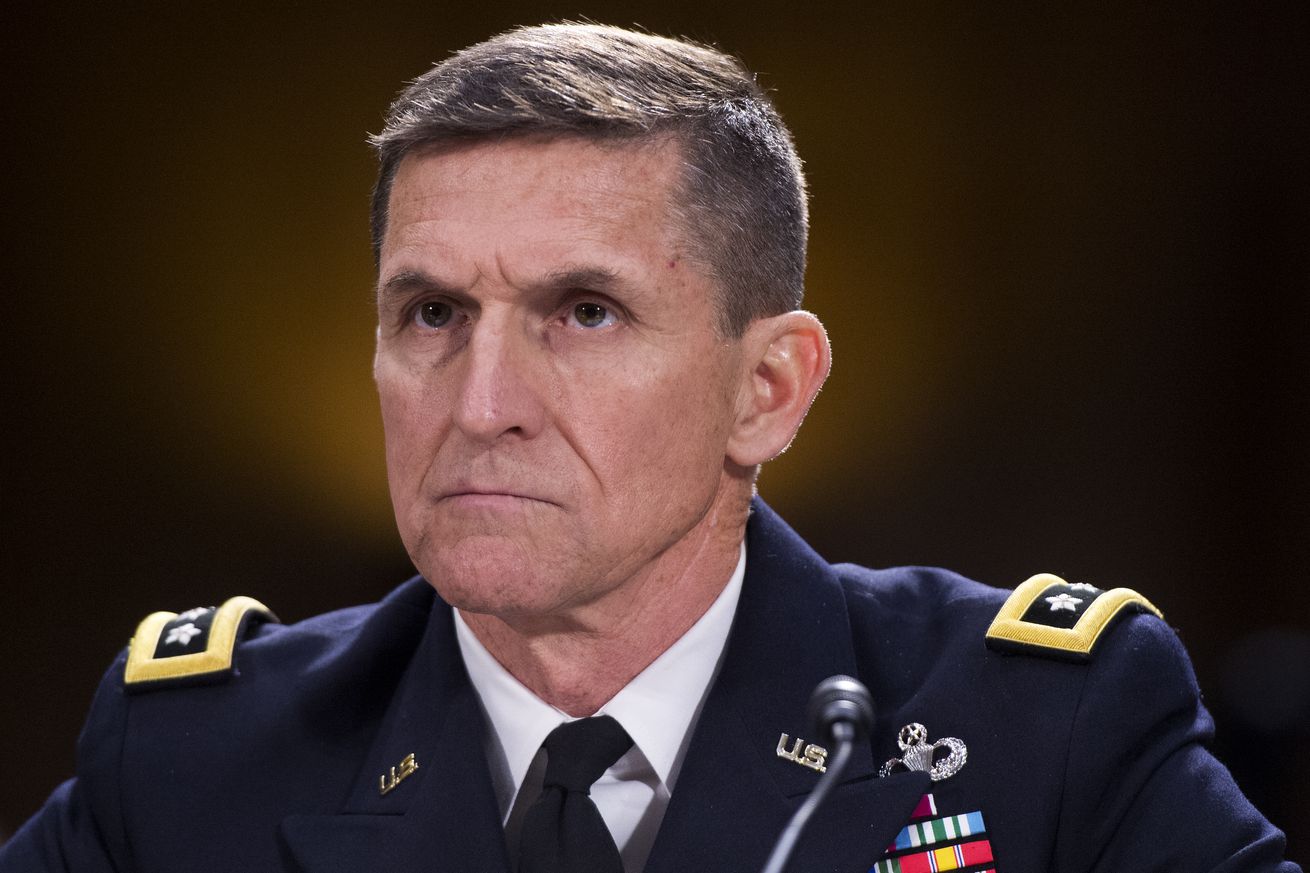
 Donald Trump’s national security adviser Michael Flynn
resigned amid controversy over his contacts with the Russian government,
a first stunning departure from the president’s inner circle less than a
month after his inauguration.
Donald Trump’s national security adviser Michael Flynn
resigned amid controversy over his contacts with the Russian government,
a first stunning departure from the president’s inner circle less than a
month after his inauguration.
The White House late Monday
said Trump had accepted Flynn’s resignation amid allegations the
retired three star general discussed US sanctions strategy with Russia’s
ambassador Sergey Kislyak before taking office.
Flynn — who once headed US military intelligence — insisted
he was honored to have served the American people in such a
“distinguished” manner.
But he admitted that he “inadvertently briefed” the now
Vice President Mike Pence with “incomplete information” about his calls
with Kislyak.
Pence had publicly defended Flynn, saying he did not discuss sanctions, putting his own credibility into question.
“Regarding my phone calls with the Russian Ambassador. I
have sincerely apologized to the President and the Vice President, and
they have accepted my apology,” read Flynn’s letter, a copy of which was
released by the White House.
The White House said Trump has named retired lieutenant
general Joseph Kellogg, a decorated Vietnam war veteran who was serving
as a director on the Joint Chiefs of Staff, to be interim national
security advisor.
Flynn’s resignation so early in a US administration is
unprecedented, and comes after details of his calls with the Russian
diplomat were made public — increasing pressure on Trump to take action.
Several US media outlets on Monday reported that top Trump advisers were warned about Flynn’s contacts with the Russians early this year.
Questions will now be raised about who knew about the calls, and why Trump did not move earlier to replace Flynn.
Flynn’s resignation will also fuel calls for an independent
investigation into Russia’s influence during the 2016 US presidential
election.
Earlier in the day White House spokesman Sean Spicer
insisted Trump was not consulted about Flynn discussing sanctions, nor
did he task Flynn to do so.
Asked if Trump was aware Flynn would discuss sanctions with the Russian envoy, Spicer said: “No, absolutely not. No way.”
– Blackmail? –
A former head of defense intelligence, Flynn’s encounters with Russian President Vladimir Putin had already drawn criticism.
US media reported Monday
that the Justice Department had warned the White House that Flynn had
misled senior administration officials about the contents of his talks
with Kislyak, and that it could make him vulnerable to Russian
blackmail.
The message was delivered in the last days of Barack
Obama’s administration by then-acting attorney general Sally Yates — who
Trump sacked after she instructed Justice Department lawyers not to
defend his contested travel ban.
CNN said then director of national intelligence James
Clapper and John Brennan, the CIA chief at the time, agreed the White
House should be alerted about the concerns.
In the hours before his resignation, some Trump aides suggested that Flynn had the full support of the president.
Until now, Flynn had been an instrumental player in Trump’s inner circle.
He was an early supporter of Trump’s improbable bid for the presidency and has encouraged tougher policies on Iran and a softer policy on Russia.
That was a sharp break with the Obama administration, which
introduced sanctions over Moscow’s annexation of Ukraine’s Crimea,
support for separatists in eastern Ukraine, and what US intelligence
says were its attempts to sway the 2016 election in Trump’s favor.
0 comments:
Post a Comment